Industry News
Bioeconomy will help forest conservation
Bioeconomy will help Brazil reduce external dependency and increase conservation
A CNI study shows that the country has the potential to be one of the main suppliers of high value-added products with biodiversity resources. Progress, however, requires improving the national innovation system Brazil has several advantages to be a protagonist in the bioeconomy, which is based on the use of 4.0 technology to manufacture high value-added products with resources from biodiversity. Among the main ones is the fact that it is the country with the greatest biodiversity in the world, with 20% of all species on the planet, and has a scientific body of excellence in areas such as biofuels and biochemistry. This finding is in the study Bioeconomy and Brazilian Industry, by the National Confederation of Industry (CNI).
However, the study highlights that these advantages are not enough to make the bioeconomy advance consistently. “Among the main challenges is the construction of governance for the bioeconomy, which must be led by the federal government involving various ministries, industries, universities and research institutions”, says the president of CNI, Robson Braga de Andrade.
“This structure must have as a priority the expansion of the innovation system aimed at the biotechnology chain, with a focus on products with greater added value” - Robson Braga de Andrade.
The sense of urgency for this agenda, which had been growing timidly, increased during the coronavirus pandemic. On the one hand, this crisis brought the need for countries to review their external dependence on key inputs, such as extracts and reagents for the pharmaceutical and biochemical sectors. On the other hand, it intensified the search for the conservation of biodiversity resources to guarantee inputs and reduce the effects of the loss of biological diversity and climate change, the main causes of the increase in the frequency of pandemics around the world.

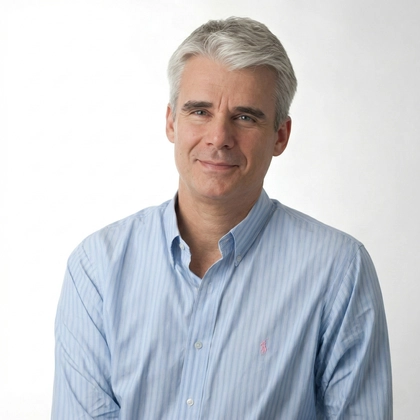
Advancement in bio economy depends on the expansion of the innovation framework of the biotechnology sector.Robson Braga de Andrade
Presidente CNI
For Brazil, the bioeconomy brings other attractions, including valuing the Brazilian biodiversity brand and, consequently, contributing to improving the country's image abroad. These factors also contribute to facilitating the country's entry into the Organization for Economic Cooperation and Development (OECD) and the progress of the Mercosur and European Union agreement.
A way to make the bioeconomy agenda more agile in the country, according to the study, would be to allocate part of the investments in research, development and innovation in already consolidated chains in Brazil, such as products made from sugarcane, such as ethanol , and those based on forestry, such as paper and cellulose, in which the country is one of the world's largest producers.
Having this structure is a good start to evolve in the development of products with greater added value, such as bioplastics, dyes, lubricants, nanofibers and drugs. “It's time to plan and coordinate a State strategy to convert the potential of Brazilian biodiversity into generating jobs and income and increasing the competitiveness of Brazilian industry”, reinforces Andrade.
Despite the challenges, industries advance in products with higher added value
The CNI study points out that, through investments in innovation, the sugarcane production chain – currently with seven consolidated products – can develop at least another 11 product categories. They are: bioplastics, dyes, organic acids, amino acids, lubricants, drugs, enzymes, fragrances, cosmetics, detergents and solvents.
With an eye on this trend, practically the entire network of 27 SENAI Institutes of Innovation spread across the country has lines of research and development of products based on genetic resources from biodiversity. More recently, the SENAI Molecular Biology network was created with the involvement of 13 institutes to provide laboratory services for the diagnosis of the coronavirus. R$ 23 million were invested in the initiative.